What Is Cryptocurrency and How It Works in 2026 (Beginner’s Guide)
Learn what cryptocurrency is and how it works in 2026. A beginner-friendly guide covering blockchain, wallets, risks, and how to get started safely.

What Is Cryptocurrency and How It Works in 2026 (Beginner’s Complete Guide)
Introduction
Cryptocurrency has moved from a niche technology experiment to a global financial system used by millions of people. In 2026, digital currencies are no longer just speculative assets—they are used for payments, remittances, decentralized finance (DeFi), and even everyday transactions in some regions.
This guide explains what cryptocurrency is, how it works, and how beginners can safely get started.
What Is Cryptocurrency?
Cryptocurrency is a form of digital money that operates without a central authority such as a bank or government. Instead, it relies on decentralized networks powered by blockchain technology.
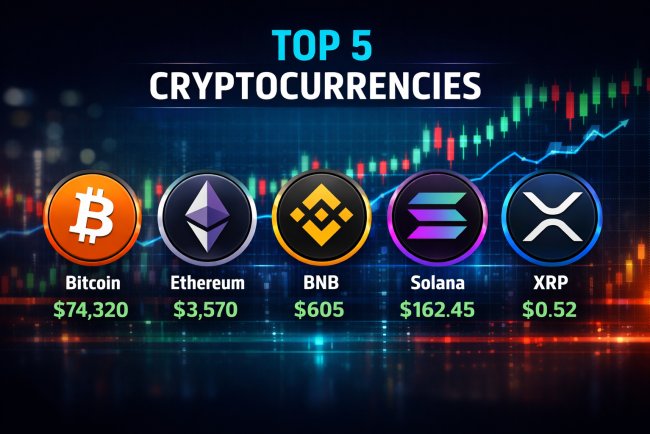
The most well-known cryptocurrency is Bitcoin, created in 2009. Since then, thousands of other cryptocurrencies have been developed, including Ethereum, which introduced smart contracts.
How Blockchain Technology Works
At the core of cryptocurrency is blockchain—a distributed ledger that records all transactions across a network of computers.
Key features of blockchain:
-
Decentralization: No single entity controls the network
-
Transparency: Transactions are publicly recorded
-
Security: Cryptographic techniques prevent fraud
-
Immutability: Once recorded, data cannot be easily changed
Each transaction is grouped into a “block,” and these blocks are linked together to form a chain—hence the name blockchain.
How Cryptocurrency Transactions Work
When you send cryptocurrency:
-
You initiate a transaction from your wallet
-
The transaction is broadcast to the network
-
Nodes verify the transaction
-
It is added to a block
-
The block is confirmed and added to the blockchain
This process can take anywhere from seconds to minutes, depending on the network.
Types of Cryptocurrencies
Not all cryptocurrencies serve the same purpose. Here are the main categories:
1. Payment Coins
Used primarily as money:
-
Bitcoin
-
Litecoin
2. Smart Contract Platforms
Enable decentralized applications:
-
Ethereum
-
Solana
3. Stablecoins
Pegged to fiat currencies:
-
USDT
-
USDC
4. Utility Tokens
Used within specific ecosystems or platforms.
Why People Use Cryptocurrency
There are several reasons why cryptocurrency adoption continues to grow:
-
Financial independence: No reliance on banks
-
Global access: Anyone with internet can participate
-
Lower fees: Especially for international transfers
-
Investment opportunities: High growth potential
Risks of Cryptocurrency
Despite its advantages, cryptocurrency also carries risks:
-
Volatility: Prices can change rapidly
-
Security threats: Hacks and scams
-
Regulation uncertainty: Laws vary by country
-
Irreversible transactions: Mistakes cannot be undone
Understanding these risks is essential before investing.
How to Start with Cryptocurrency (Step-by-Step)
Step 1: Choose a Wallet
A crypto wallet stores your digital assets. Options include:
-
Mobile wallets
-
Hardware wallets
-
Web wallets
Step 2: Buy Cryptocurrency
You can purchase crypto from exchanges using:
-
Bank transfer
-
Credit/debit card
Step 3: Secure Your Assets
Always:
-
Enable two-factor authentication
-
Store recovery phrases safely
Common Mistakes Beginners Make
-
Investing without research
-
Falling for scams or fake platforms
-
Storing crypto on insecure exchanges
-
Following hype instead of strategy
Avoiding these mistakes can save both money and time.
The Future of Cryptocurrency
In 2026, cryptocurrency continues to evolve with trends such as:
-
Central Bank Digital Currencies (CBDCs)
-
Integration with traditional finance
-
Growth of decentralized applications
-
Increased regulation and adoption
The technology is still developing, but its long-term impact is significant.
Conclusion
Cryptocurrency represents a major shift in how money and financial systems operate. While it offers exciting opportunities, it also requires careful understanding and responsible use.
For beginners, the key is to start small, stay informed, and prioritize security.
What's Your Reaction?